


Best Current Accounts for Business in India





Experience the all-new Kotak Netbanking
Simpler, smarter & more intuitive than ever before


Quick Help
Frequently Asked Questions
Show More
For Kotak Bank Customers
For Kotak811 Customers
Experience the all-new Kotak Netbanking Lite
Simpler, smarter & more intuitive than ever before. Now accessible on your mobile phone!
Showing 303 items









































































































































Disclaimer: This Article is for information purpose only. The views expressed in this Article do not necessarily constitute the views of Kotak Mahindra Bank Ltd. (“Bank”) or its employees. The Bank makes no warranty of any kind with respect to the completeness or accuracy of the material and articles contained in this Article. The information contained in this Article is sourced from empanelled external experts for the benefit of the customers and it does not constitute legal advice from the Bank. The Bank, its directors, employees and the contributors shall not be responsible or liable for any damage or loss resulting from or arising due to reliance on or use of any information contained herein
 Success
 Failure





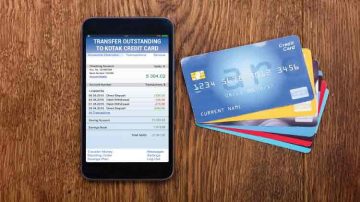


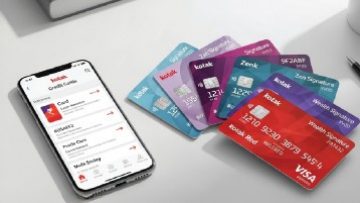

























































































































For efficient business transactions, having a dedicated Current Account is indispensable, whether you operate a small enterprise or a large organisation. While some may initially believe their Savings Account can handle all banking needs, the reality becomes clear – a specialised Current Account is crucial for smooth business operations and growth.
Our comparative analysis delves into various Kotak Current Accounts, helping in selecting the best Current Account in India for your business needs. Learn about the hassle-free account opening process and essential documents that make Kotak the best bank for Current Accounts in India.
List of Top Current Bank Accounts for Small Businesses in India offered by Kotak Mahindra Bank
Astra 15 Current Account offers high waivers on deposits and withdrawal fees, free NEFT, RTGS, and chequebook facilities, and a suite of features aligned with enterprise-level business banking needs.
It includes a business platinum Debit Card tailored for managing bulk payments, POS transactions, and CMS-based operations. Kotak ActivMoney* provides an auto-sweep facility that automatically moves surplus funds from your Current Account into 91-day Fixed Deposits — offering attractive returns while ensuring liquidity. This auto-sweep setup is ideal for businesses looking to optimise idle balances for short-term financial flexibility.
Astra 05 Current Account offers a wide range of benefits best matched to needs of large businesses, including waivers on withdrawal charges and cash deposits, cheque returns and deposits, and free money transfer facilities – NEFT, RTGS and chequebook.
Other important features include free outstation cheque collection, unlimited free demand drafts, cheque collection via speed clearing at no extra charges, free alerts through SMS and email, Cash Management Service, Overdraft Facility and ActivMoney* to convert idle funds into earnings
ActivMoney is an auto-sweep facility available with select Kotak Current Accounts. It helps optimise idle funds by transferring surplus balances beyond a set threshold into 91-day Fixed Deposits — offering attractive returns and seamless liquidity.
This auto-sweep account setup is ideal for businesses that want to maintain financial flexibility while earning better value on unutilised capital. You can access the parked funds at any time without penalties, making it suitable for managing short-term business needs like vendor payments, bulk transactions, or POS settlements.
Besides this benefit, the account also offers a flexible cash deposit option, free cash withdrawals at the home branch, unlimited demand drafts, and a waiver on outward cheque returns.
Additional Read: Do current accounts have a minimum balance requirement?
Ace Current Account aims to efficiently manage various banking needs of growing businesses without maintaining a high quarterly balance. Like other Kotak Current Accounts, Ace account also permits a high daily deposit and withdrawal limit, provides Kotak ActivMoney facility, unsecured credit access through overdraft facility, and free demand drafts.
While Elite Current Account is a premier account, it has an average quarterly balance requirement of just Rs. 1 lakh, and a wide host of features like free demand drafts, overdraft option, waivers on withdrawals and cash deposit, free RTGS and NEFT facility through Net Banking and at a branch, better forex rates and trade services, cash management services, POS (point of sale) solutions, etc.
A Startup Premium Current Account is bundled with offerings to enhance the growth of a startup by providing benefits like Non-Maintenance Charge waiver, preferential pricing on import and export services, and provision of easy, safe and bulk transactions. It is one of the best Current Accounts for proprietorship firms.
Other important features include free NEFT/RTGS transactions through Net Banking or at branches, free cash withdrawal of up to Rs. 1 lakh per day at non-home branch locations, free cheque collection and payment pan-India, and free outward cheque returns.
How to Choose the Right Kotak Current Account
Here’s how you can choose the suitable Current Account with the Kotak Mahindra Bank, the best bank for Current Account for small businesses in India:
Determine Business Needs:
Identify your specific business requirements and transaction volume. Consider daily transactions, online banking needs, and average balance requirements.
Account Types:
Explore Kotak's range of Current Accounts. Choose an account type that aligns with your business size and needs.
Fees and Charges:
Compare fees for transactions, ATM usage, and monthly maintenance. Look for an account with transparent and reasonable charges.
Online Banking Features:
Evaluate Kotak's online banking platform. Ensure it offers convenient features like fund transfers, bill payments, and real-time account monitoring.
Branch and ATM Accessibility:
Check the availability of Kotak branches and ATMs in your business locality.
Steps to Open a Kotak Current Account
1. Check your Eligibility Criteria
Examine the eligibility criteria for various Current Account types tailored for different business entities and stages.
2. Gather your Application Documents
The required documents vary based on your business type and structure, although the common documents needed are Aadhaar card, PAN card, ITR documents, GST certificate, utility bills, etc.
3. Complete the Application Process
Initiate the application process by contacting branch representatives or visiting a nearby branch. You will be notified upon approval, and essential documents, including your account number, will be issued.
4. Make your Initial Deposit
Activate your new Current Account by making the initial deposit. Your account becomes operational after this step, to commence business transactions.
5. Receive Your Account Kit
Once activated, receive your Account Kit, which includes essential tools like a chequebook, debit card, ATM card, and online banking details.
Why Choosing the Best Current Account Matters?
Choosing the best Current Account for your business becomes essential when using it to manage high-volume transactions. Here’s how a Current Account helps you manage your daily business more efficiently. Convenient Transactions:
Chequebooks, debit cards, and online banking ensure easy payments, cash withdrawals, and fund transfers.
It enables individuals to manage finances 24/7, ensuring financial control and security.
An available overdraft for withdrawing funds beyond the account balance is a significant advantage
It simplifies bill payments through direct debits and standing orders.
It enables businesses to receive payments, issue checks for vendor payments, and establish a professional banking relationship for financial growth.
Factors to Consider When Choosing a Current Account for Small Businesses
There are certain factors that are important in the decision-making process while choosing a Current Account for small businesses in India. Understanding these factors ensures that small business owners make well-informed choices for their financial needs.
1. Accessibility:
Seamless business operations depend majorly on accessibility. Always evaluate the convenience of the bank's branch and ATM network in your vicinity. Also, assess the availability of user-friendly online and mobile banking for efficient account management.
2. Overdraft Limits:
Overdraft facilities provide crucial financial safety nets for small businesses. Understand the terms and conditions pertaining to the overdraft limits. Opt for a bank like Kotak Mahindra Bank that provides flexible and adequate overdraft options to cover unforeseen expenses and navigate cash flow fluctuations.
3. Monthly Minimum Balance:
Maintaining a suitable minimum balance is essential to avoid fees and unnecessary financial strain. Analyse the minimum balance requirements, ensuring they align with your business's financial capacity. Choose an account with reasonable minimum balance criteria, allowing financial flexibility without compromising benefits.
For small business finances, these factors hold the key to selecting a current account that not only meets operational needs but also aligns with the business's financial goals.
Read Also: What is EBITDA Meaning
* T&C apply. For deposits of 7 days and above. Visit www.kotak.bank.in for details.
You have already rated this article
OK